Blog entry by Maurice Boston

Connecting solar panels to a mobile energy unit can be a easy and fulfilling DIY task that gives you stable remote electricity for camping, emergencies, or remote work. The key is matching your solar panel’s output to your power station’s input requirements. Start by reviewing the peak voltage and amperage limits your power station can handle. Most units specify it in the technical documentation. You’ll want a solar array that stay within these limits to avoid damaging the unit.
Next, consider the type of connector your power station uses. Many modern units feature MC4 terminals or barrel connectors. If your solar panel has MC4 connectors, you may need an conversion lead to match your station’s input. These adapters are easily found at outdoor gear stores. Make sure the cable is sufficiently gauge-rated for the amperage and has UV-protected sheathing.
When choosing a solar panel, a 100-watt solar panel is a recommended entry level for most portable power stations. It’s compact and portable but can still produce significant energy output on a sunny day. If you need more power, you can connect multiple panels in series or parallel. Just remember that connecting in series increases voltage, and 并联连接会增加电流. Always respect the input thresholds.
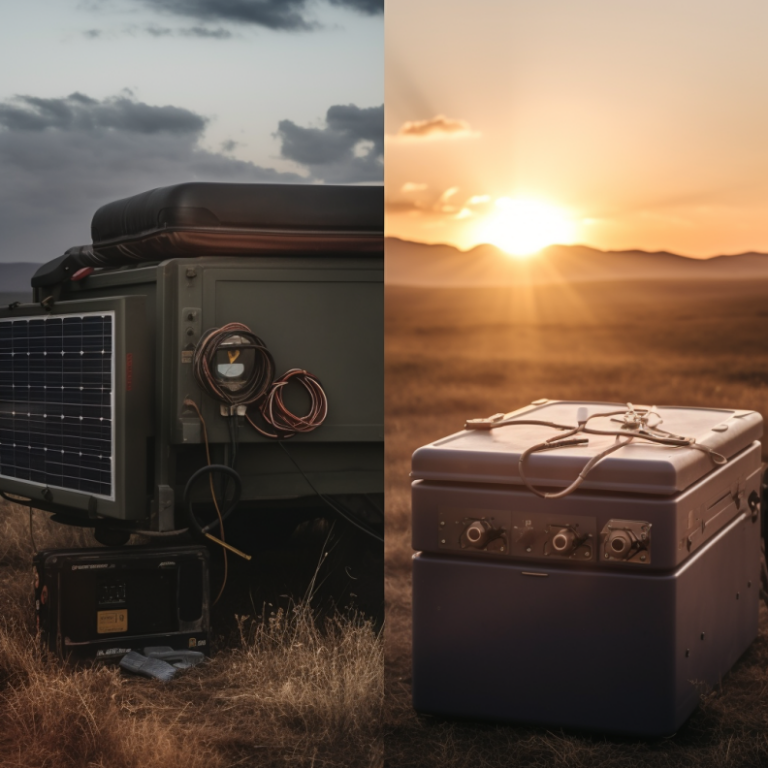
Placement matters too. Place it in an unshaded, sun-drenched location. Adjust the inclination for optimal irradiance, and avoid shading from trees or buildings. Even a minor shade can cut the panel’s output significantly. Use a secure it with a weighted base or strap for stability.
Once everything is connected, watch the solar input indicator on the unit. You should see the battery charge rate increasing as the panel charges the battery. Charging times will vary depending on sunlight, panel size, and battery capacity. On a clear day, a 100-watt photovoltaic unit can typically supply enough energy for 4–6 hours of usage to a 500Wh portable power unit.
Always validate your system prior to travel. Try charging your power station at home under matching environmental factors to gauge performance. Keep a compact voltage to measure actual input metrics if you’re seek to confirm system accuracy.
With a smart design and compatible hardware, custom photovoltaic setup can turn your mobile battery into an autonomous power hub. It’s not just about saving money—it’s about gaining independence from the grid and being ready for whatever comes your way.